
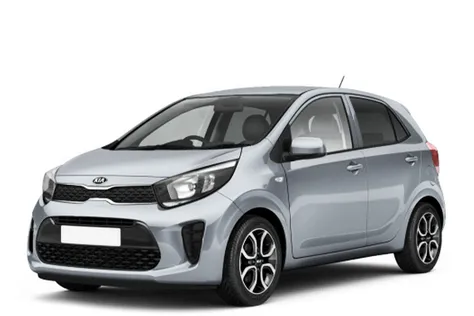
Kia Picanto
Class: Economy
Full insuranceFree cancellationUnlimited mileage
Manual5 Seats2 Luggage
Search rental offers
363 rental offers
Loading offers...
Kia Picanto
Class: Economy
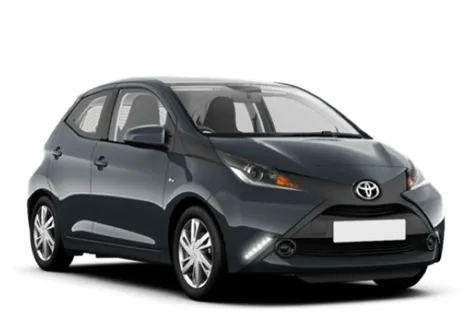
Toyota Aygo
Class: Economy
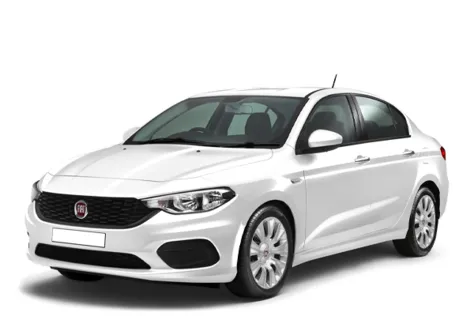
Fiat Tipo
Class: Economy
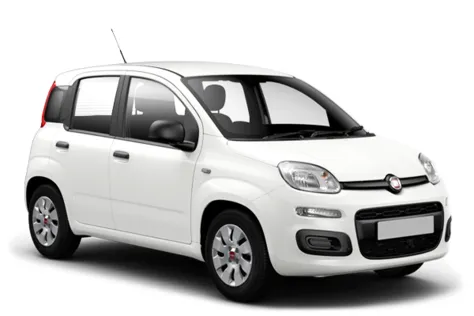
Fiat Panda
Class: Economy
Volkswagen Up
Class: Economy
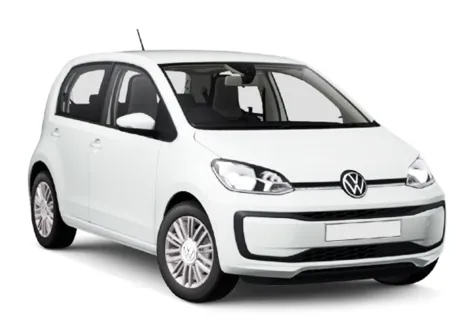
Kia Picanto
Class: Economy
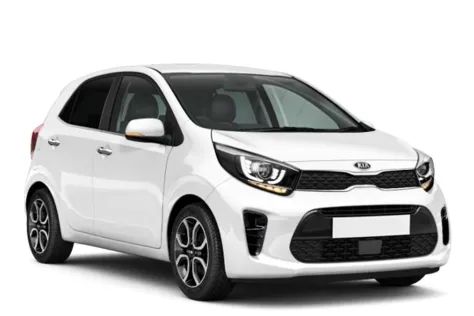
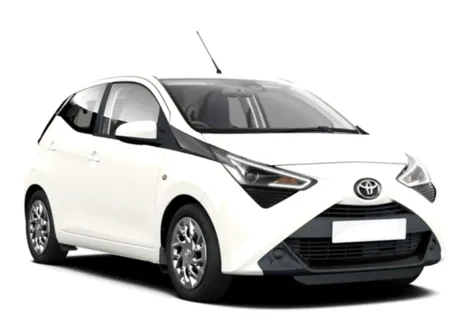
Toyota Aygo
Class: Economy
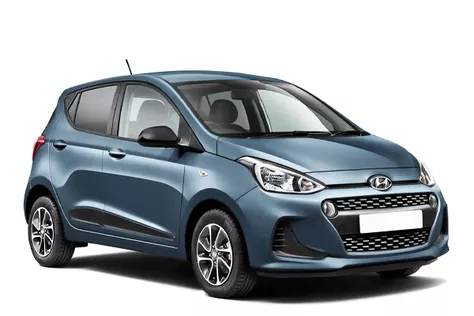
Hyundai i10
Class: Economy
Showing 0 / 0
Car hire in Larnaca, Cyprus offers a wide choice of vehicles for beach holidays, mountain trips and business travel. Most options include basic insurance, and booking usually stays simple: you typically need a passport, driving licence, phone number and a suitable payment method. Prices are shown in US dollars ($), while the local currency is the euro (EUR); the service lets you compare costs in your preferred currency, customer reviews, discounts, rental terms and supplier advantages before booking.
A car is useful in Larnaca for reaching the seafront promenade, the salt lake and the villages behind the bay, especially with several stops in a day or with luggage.
If your plans stay compact, compare driving with city buses, taxis and airport shuttles; parking and summer traffic can outweigh the benefit of a rental.
Bring your passport and a valid driving licence. Licences issued in the EU and the UK are accepted directly; for other countries an International Driving Permit may be requested, so confirm the requirement with the supplier before pickup.
The minimum age is usually 21, and most suppliers ask for at least one to three years of driving experience. Premium, SUV and minivan classes often set a higher age threshold, and a young-driver surcharge may apply.
A deposit is standard and is normally blocked on the driver’s card. Some Cyprus suppliers work without a deposit, accept debit cards or take cash, but those terms are listed on the individual offer rather than applied island-wide.
Check the insurance scope, the excess amount and the exclusions such as tyres, glass, undercarriage and unsurfaced roads. After an accident call the emergency number 112, wait for the police where required and notify the rental company immediately.
The catalog covers the main rental categories:
Cyprus fleets are built mostly around Toyota, Nissan, Hyundai, Kia, Suzuki, Ford, Opel, Volkswagen, Škoda, Mercedes-Benz and similar models, with right-hand-drive versions widely used.
Compare the total price together with the deposit, insurance excess, mileage policy, fuel rule, accepted payment methods and the return conditions.
In Larnaca, plan where the car will stand overnight and how you will reach the main stops of your route before you collect it.
Weigh city buses, taxis and airport shuttles against a rental when deciding whether you need the car for the whole stay or only for day trips.
Cyprus is compact — roughly 240 km from Paphos to the eastern beaches — so a daily kilometre cap is rarely a problem for a single resort stay, yet it bites on multi-day island loops.
If you plan Troodos, Akamas and the coast in the same week, confirm that the mileage is genuinely unlimited and check the per-kilometre charge that applies above any cap.
Practical points on traffic, documents, payment, insurance, roads and vehicle return.
Cyprus drives on the left and the steering wheel is on the right. Paid bays and one-way streets fill the centre, so aim for a marked car park rather than kerbside space. The A1–A6 motorways carry no tolls, so plan for fuel and city parking instead of road charges.
Availability and delivery fees depend on the supplier.
Cyprus uses the euro (EUR).
The booking currency may differ, while the deposit, fuel, parking and any fines are normally settled in euro under the supplier’s terms.
From Larnaca, common road trips include:
Popular nearby areas include the seafront promenade, the salt lake and the villages behind the bay.
Prices and availability can change during the day.
Offers come from Cypriot rental companies and international brands.
Cost depends on season, rental length, vehicle class, insurance, deposit and payment conditions.
Today’s minimum price starts at 22 €/day; 363 cars are currently shown.
Prices updated today
Countries, cities, airports and popular resorts in one catalog.
Cost and availability from local rental companies are refreshed automatically.
Filter offers by deposit, insurance, mileage and payment options.
Compare rental terms from different local companies in one place.
Pickup points are usually on the central streets, near the seafront, in tourist quarters and close to transport hubs. Some companies have offices near the bus station, while others work through small city offices and desks in popular areas.
Many local providers in Larnaca offer car delivery to the hotel or pickup at a nearby point. When booking, state the hotel name and check whether delivery is available and whether there is an extra charge for it.
Several rental points operate around the bus station and the main transport streets of Larnaca, which is convenient if you arrived by bus and want to continue by car. When searching, you can filter locations by district or use the map to find the nearest office.
Larnaca has paid and free parking as well as municipal and hotel car parks. In the centre and along the seafront, pay stations and parking cards are used; the cost is usually reasonable, but parking time may be limited. Always read the road signs carefully.
Petrol stations are located along the main roads, on the exits from the city and near shopping areas. Many drivers prefer to refuel before heading to the resorts or before returning the car, so as to return it with the required fuel level.
Modern residential and tourist districts away from the very centre usually offer more parking spaces and wider roads. In the old quarters and along the seafront the streets can be narrower and parking more limited, so it is easier to use municipal car parks or hotel parking there.
By rental car from Larnaca it is convenient to reach the beaches of Ayia Napa and Protaras, towards Limassol and mountain villages, and small towns and wine routes. For those who want to see several places in one trip, a car is often more practical than regular buses.
The main roads around Larnaca and the motorways between the major cities are in good condition, with clear markings and signs in Greek and English. In rural and mountain areas the roads can be narrower and more winding, so it is important to observe speed limits.
Cyprus does not have a classic system of toll motorways. Most main routes between Larnaca, Ayia Napa, Protaras, Limassol and Nicosia do not require payment, although some car parks and tunnels may be paid.
Many companies allow you to take a car in the city and return it at the rental parking of Larnaca Airport, but such a service may involve an extra charge. When searching, filter the “return at a different location” option and read the conditions carefully.
Some providers offer rentals with a different return location — for example, take a car in Larnaca and return it in Limassol or Paphos. This is convenient for linear routes but often includes a one-way surcharge. The conditions are stated in each offer description.
You usually need a valid driving licence, a passport or ID and a payment card in the driver’s name. Most companies accept drivers from 21 years old, while younger or older drivers may face surcharges and restrictions on car classes.
Larnaca is a fairly calm city for driving: the roads are well marked, signs are duplicated in English and navigation apps build routes correctly. The main feature is left-hand traffic, which you need to get used to in the first hours.